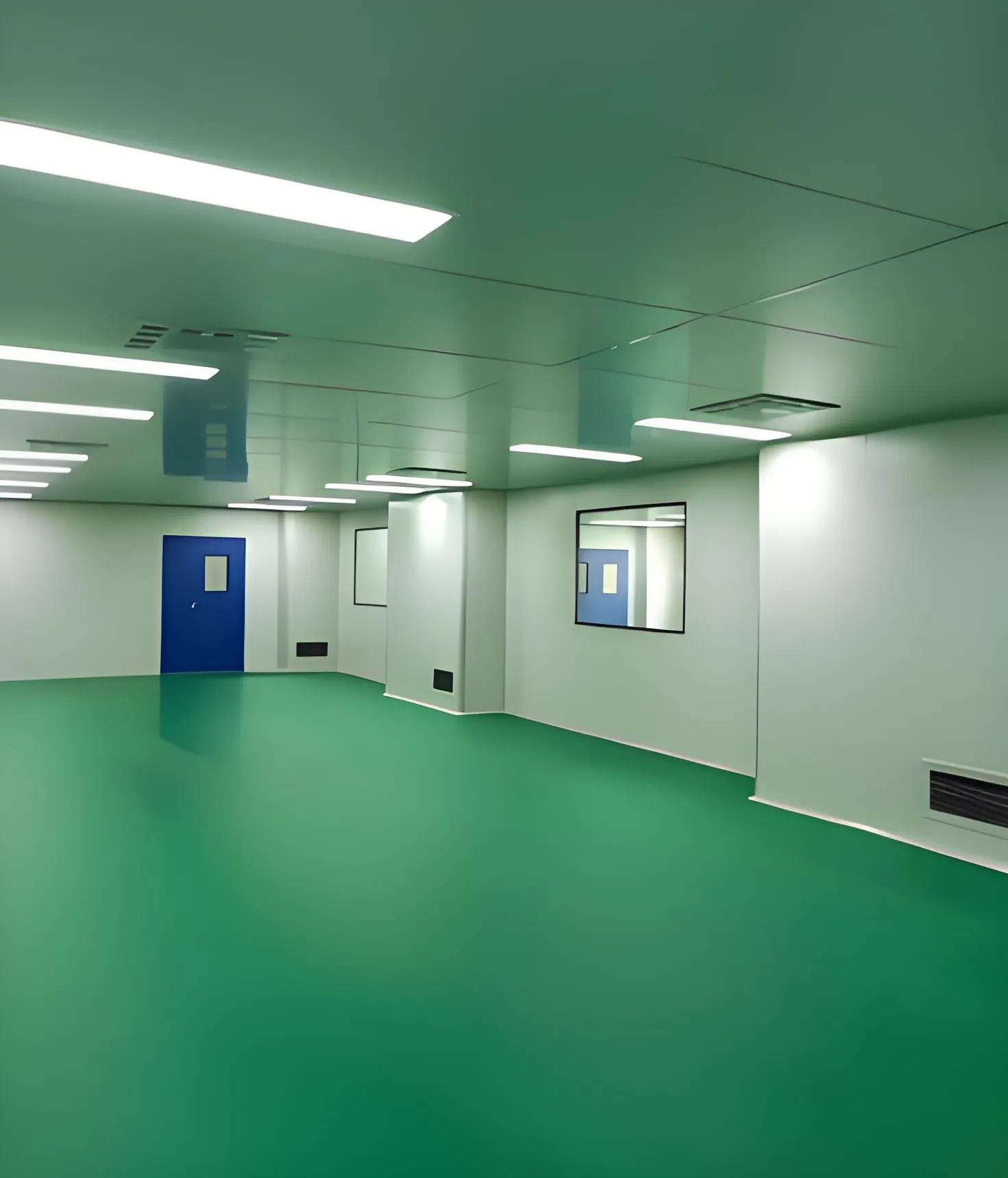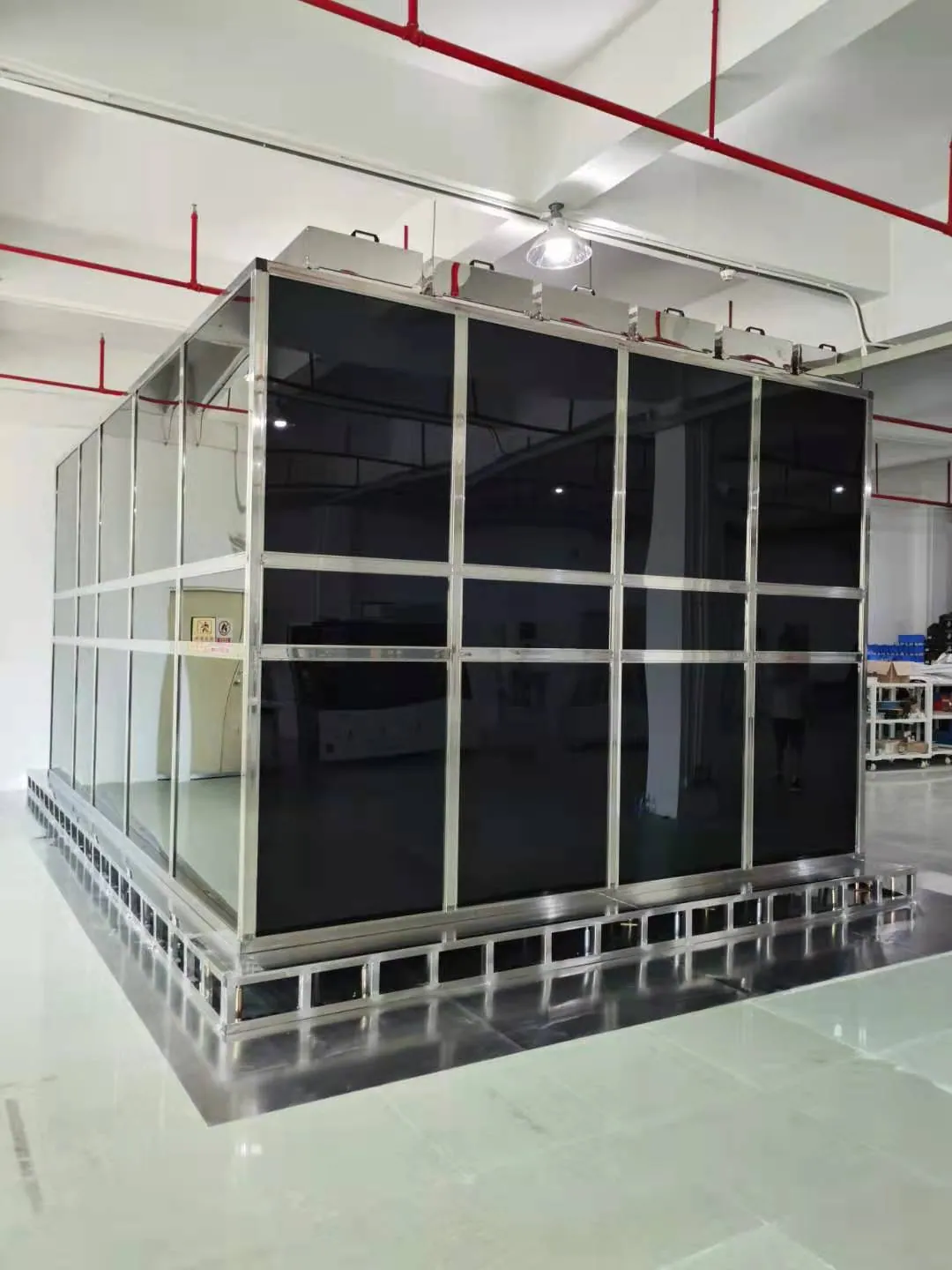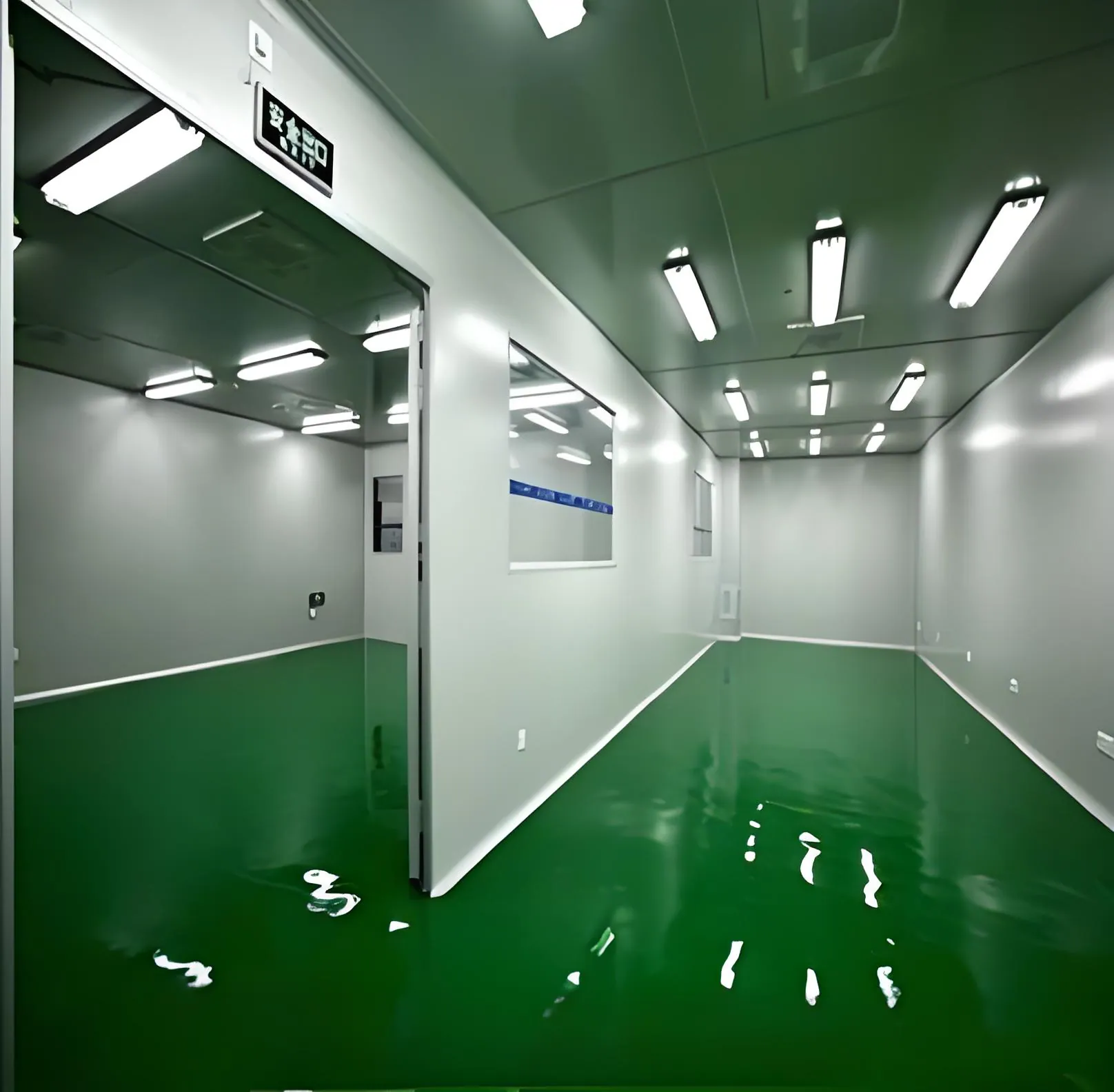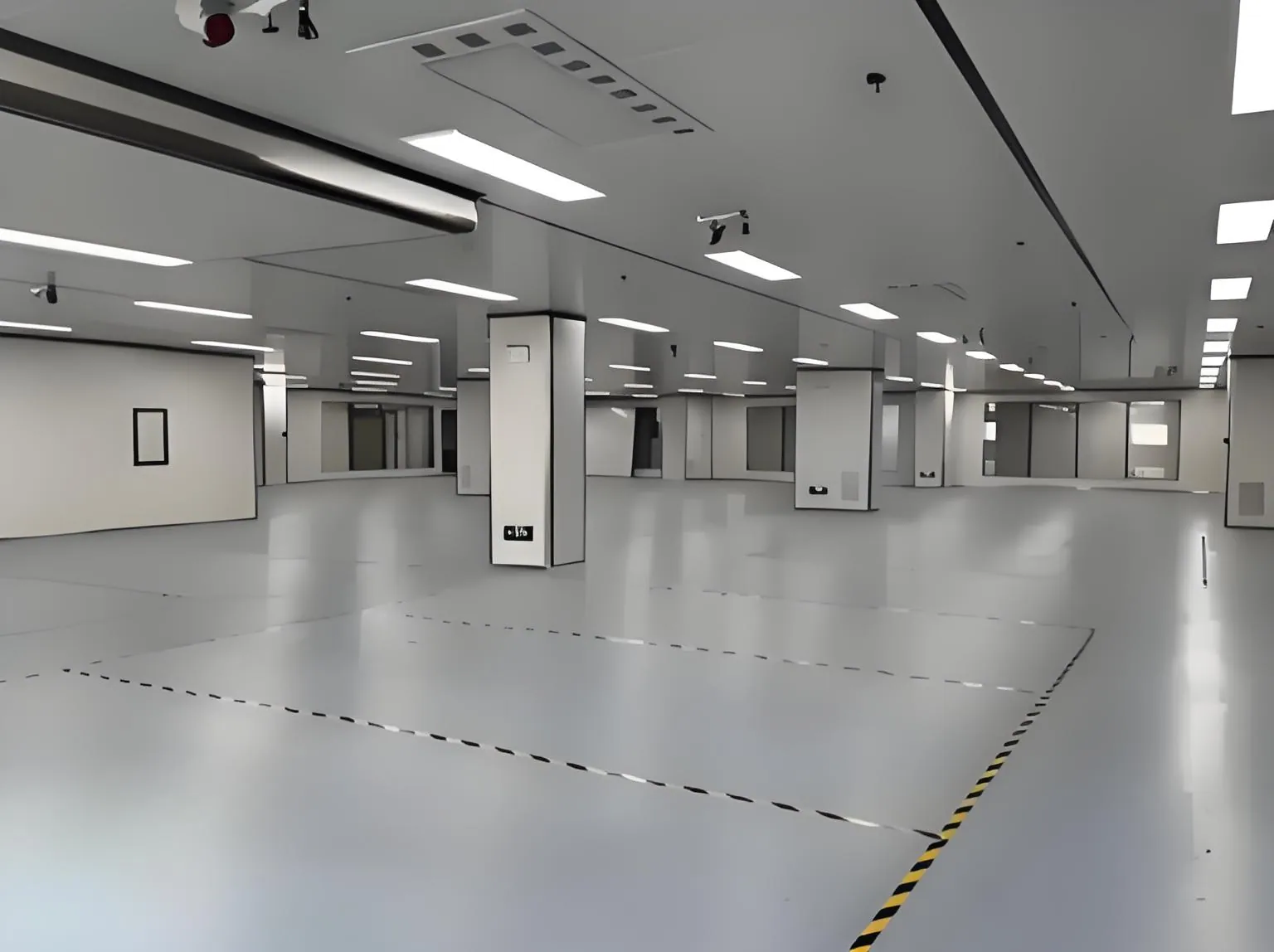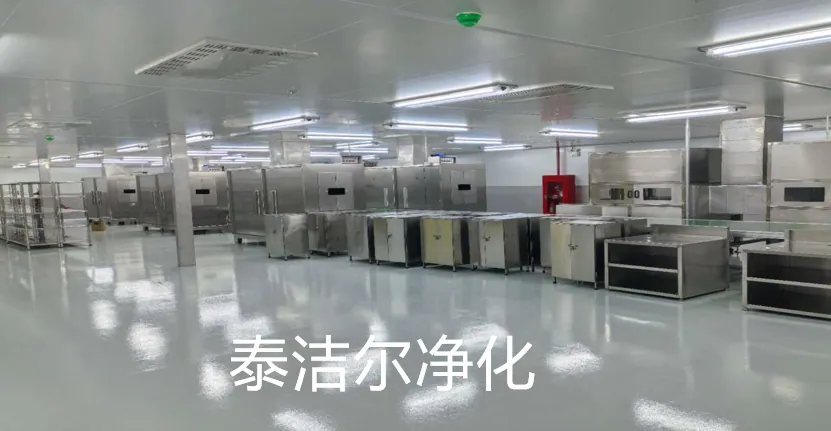
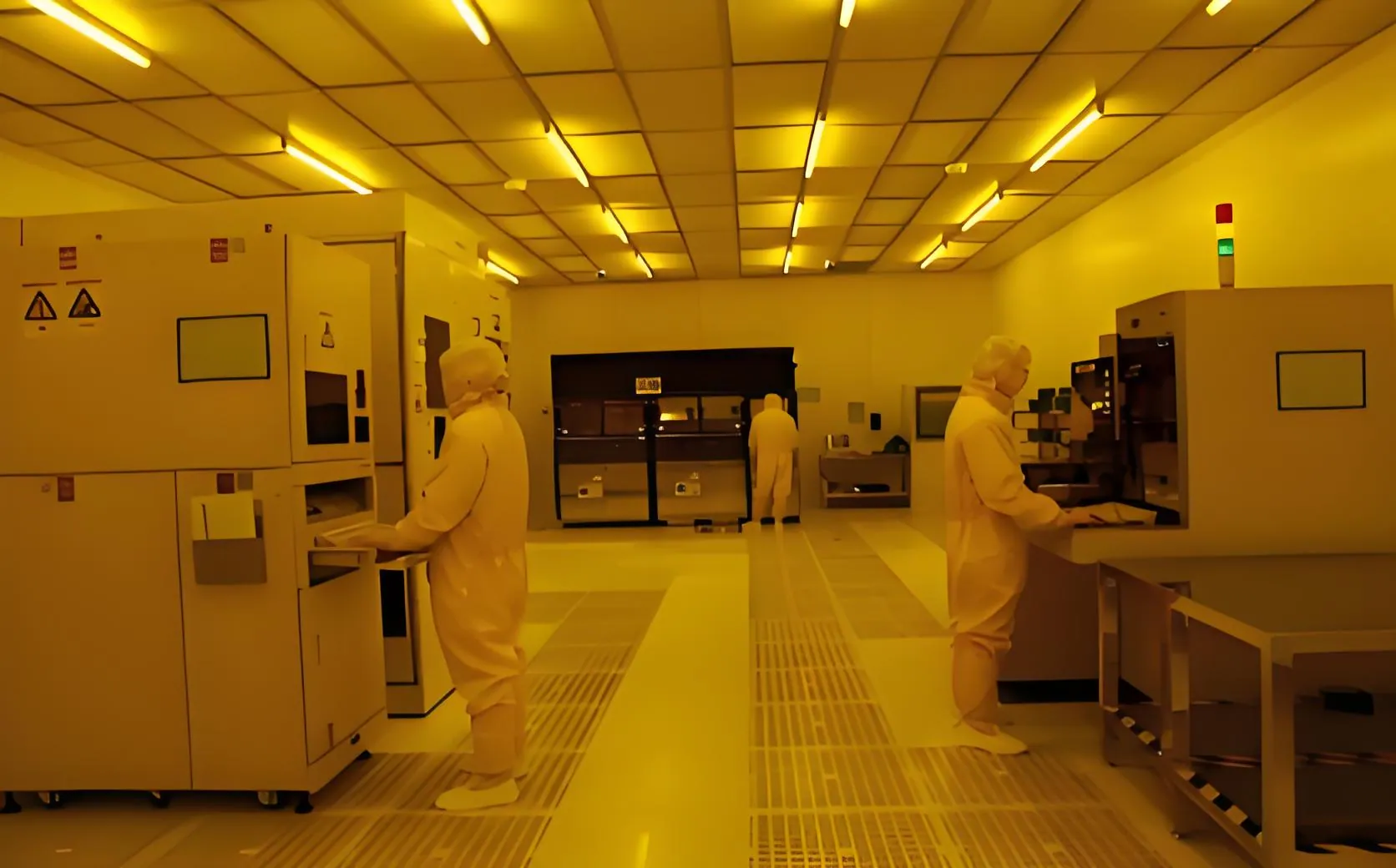
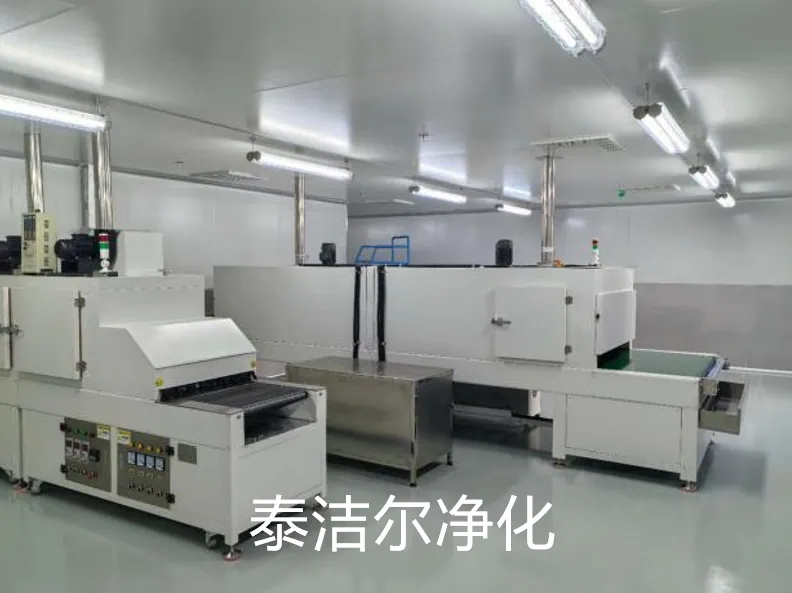
Precision manufacturing and sensitive scientific research depend heavily on strictly regulated environments. Modern contamination control relies on Cleanroom Engineering to create spaces where airborne particulate levels, microbial counts, air pressure, temperature, and relative humidity remain within tight operational tolerances.
Contaminants as small as 0.1 microns can ruin a semiconductor wafer batch or spoil an entire run of injectable biopharmaceuticals. Managing these risks demands specialized technical knowledge across mechanical, structural, and electrical disciplines.
Whether building an advanced microelectronics fab, a pharmaceutical formulation suite, or an aerospace optics assembly hall, engineering teams must align physical infrastructure with rigorous global clean standards.
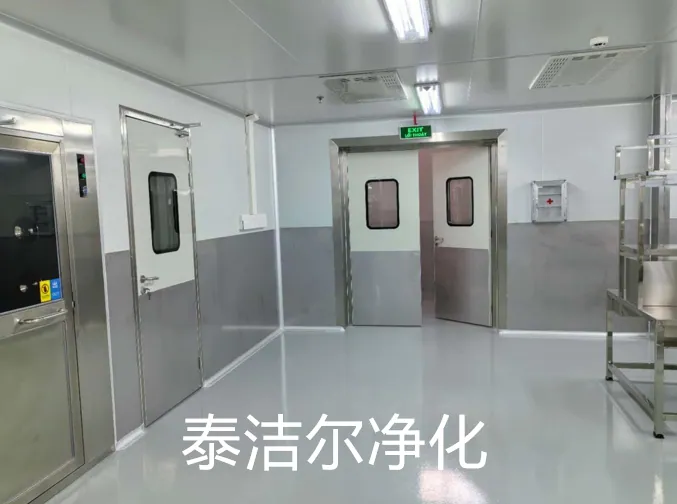
Contamination control operates on three fundamental goals: preventing particulate entry, minimizing particle generation within the space, and rapidly expelling any contaminants that arise during work.
Mechanical design forms the backbone of these protective measures. Air handling units, high-efficiency filtration, and airflow distribution work together to maintain target baseline environments.
Air distribution inside a controlled space follows one of two primary aerodynamic models, depending on classification requirements:
Air filtration relies on High-Efficiency Particulate Air (HEPA) filters, which capture at least 99.97% of particles down to 0.3 microns, or Ultra-Low Particulate Air (ULPA) filters, which achieve 99.999% efficiency at 0.12 microns.
Air naturally moves from zones of higher pressure to zones of lower pressure. Facility designers use this physical rule to create directional barrier protections between connected rooms.
A standard pressure cascade requires a differential of 10 to 15 Pascals between classified rooms and adjacent unclassified spaces to maintain a dependable barrier.
Clean facilities around the globe operate under standardized classification matrices to verify operational integrity and environmental cleanliness.
The International Organization for Standardization sets cleanroom tiers based on the concentration of airborne particles per cubic meter of air:
Good Manufacturing Practice (GMP) regulations establish four specific cleanliness grades for pharmaceutical production:
Physical surfaces must withstand frequent chemical wipe-downs, continuous positive pressure, and rigorous sanitization without shedding microscopic particles.
Specialized contractors such as TAI JIE ER design and install integrated envelope systems that resist chemical degradation and eliminate hard-to-clean corners.
Cleanroom envelopes demand smooth, airtight materials that remain inert when exposed to harsh disinfectants:
Process equipment, chemical baths, and motorized conveyors produce considerable heat. A dedicated cleanroom HVAC system balances airflow, thermal loads, and relative humidity around the clock.
System designers calculate sensible and latent heat loads to select appropriate chilled-water coils, desiccant dehumidifiers, and variable-frequency fan arrays. Consistent temperature and humidity control also prevents static electricity and worker perspiration.
Successful Cleanroom Engineering projects follow a structured process that aligns technical design with verified operational outcomes.
Engineers evaluate product sensitivity, process flow, and operator movements to build comprehensive User Requirement Specifications (URS).
Computational Fluid Dynamics (CFD) modeling simulates internal airflow currents, velocity profiles, and thermal dispersion. These virtual simulations reveal stagnation zones and air recirculation pockets before construction starts on site.
Every industrial clean facility must complete strict qualification stages before entering production:
Engineering providers like TAI JIE ER deliver complete documentation packages for all CQV steps, ensuring seamless regulatory inspections and audits.
Even the most advanced mechanical system cannot protect a facility if daily operating procedures fall short. Human operators remain the primary source of cleanroom contamination, shedding thousands of skin cells and microbes every minute.
Disciplined entry protocols, environmental monitoring, and air showers minimize foreign matter transfer into sterile suites.
Facilities enforce strict personnel movement paths through sequential airlocks to isolate dirty outside air from classified zones:
Automated facility monitoring arrays track physical parameters across the suite to maintain steady operational conditions:
Standard operating procedures must outline corrective action plans whenever monitoring sensors trigger early warning alarms.
Building a controlled environment requires substantial capital investment. Choosing an experienced contractor ensures projects finish on schedule, avoid costly field retrofits, and pass initial compliance audits.
When selecting a turnkey contractor, evaluate the following qualifications:
Leading manufacturers like TAI JIE ER provide end-to-end cleanroom systems, helping clients develop modular, compliant facilities built for long-term operational efficiency.
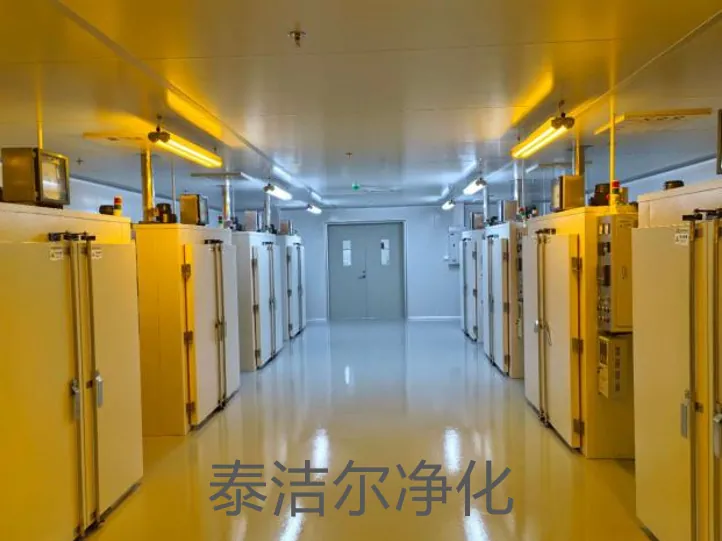
Reliable contamination control requires balancing mechanical air handling, airtight architectural construction, and disciplined daily operating habits. Precision air filtration and pressure cascades safeguard sensitive components from costly particulate damage.
Investing in thoughtful planning, quality materials, and thorough validation upfront prevents contamination events down the road. Working with experienced specialists in Cleanroom Engineering ensures your facility delivers dependable, compliant performance throughout its operational life.
Q1: What is the primary difference between ISO 14644 and GMP standards?
A1: ISO 14644 is a universal standard that classifies environments solely by airborne particulate counts across all industries. GMP standards apply specifically to food, drug, and medical manufacturing, adding strict requirements for microbiological contamination, microbial monitoring, and process validation alongside particulate limits.
Q2: How often should HEPA filters be inspected and tested for leaks?
A2: Industry standards require HEPA filter integrity testing (DOP/PAO challenge testing) at least once every 12 months for standard cleanrooms, and every 6 months for critical pharmaceutical Grade A and Grade B areas.
Q3: What causes pressure cascades to fail between cleanroom suites?
A3: Pressure failures usually stem from compromised door seals, clogged pre-filters, unbalanced HVAC supply fans, damaged exhaust dampers, or personnel propping airlock doors open simultaneously.
Q4: Why are modular wall panels preferred over traditional drywall construction?
A4: Modular sandwich panels install faster, produce zero construction dust on site, feature non-shedding surfaces, and resist harsh cleaning chemicals far better than painted drywall. They can also be disassembled and reconfigured as operational needs change.
Q5: What are typical air change rates for ISO Class 7 and ISO Class 8 rooms?
A5: An ISO Class 8 cleanroom typically requires 15 to 25 air changes per hour (ACH). An ISO Class 7 room requires higher air volume, typically running between 30 and 60 air changes per hour to purge internal particulates effectively.
Q6: How does static electricity affect cleanroom operations?
A6: Electrostatic charges cause microscopic particles to cling tightly to surfaces, making them difficult to remove with airflow. In electronics manufacturing, electrostatic discharge (ESD) can also instantly destroy delicate microchips and circuit boards.