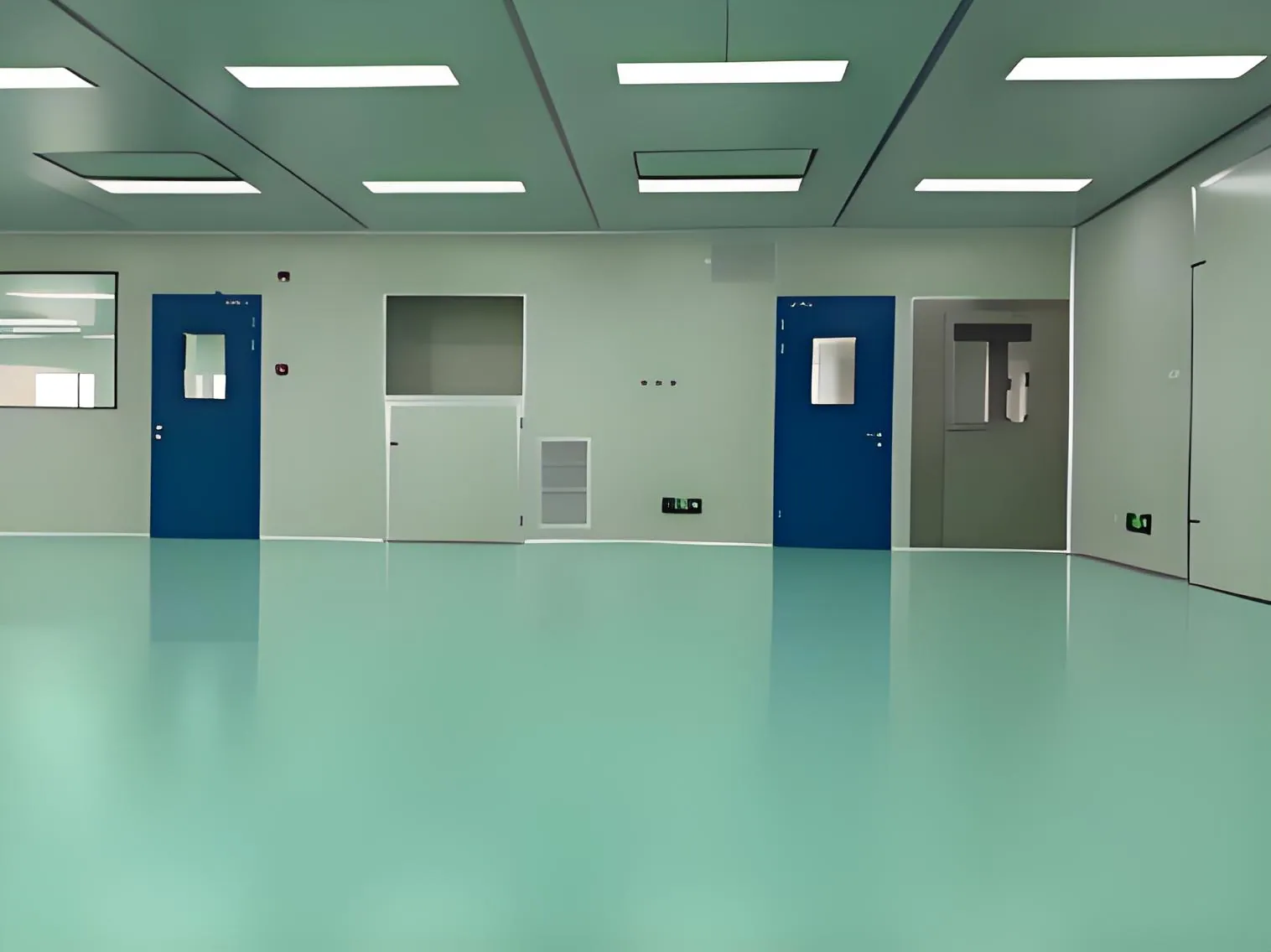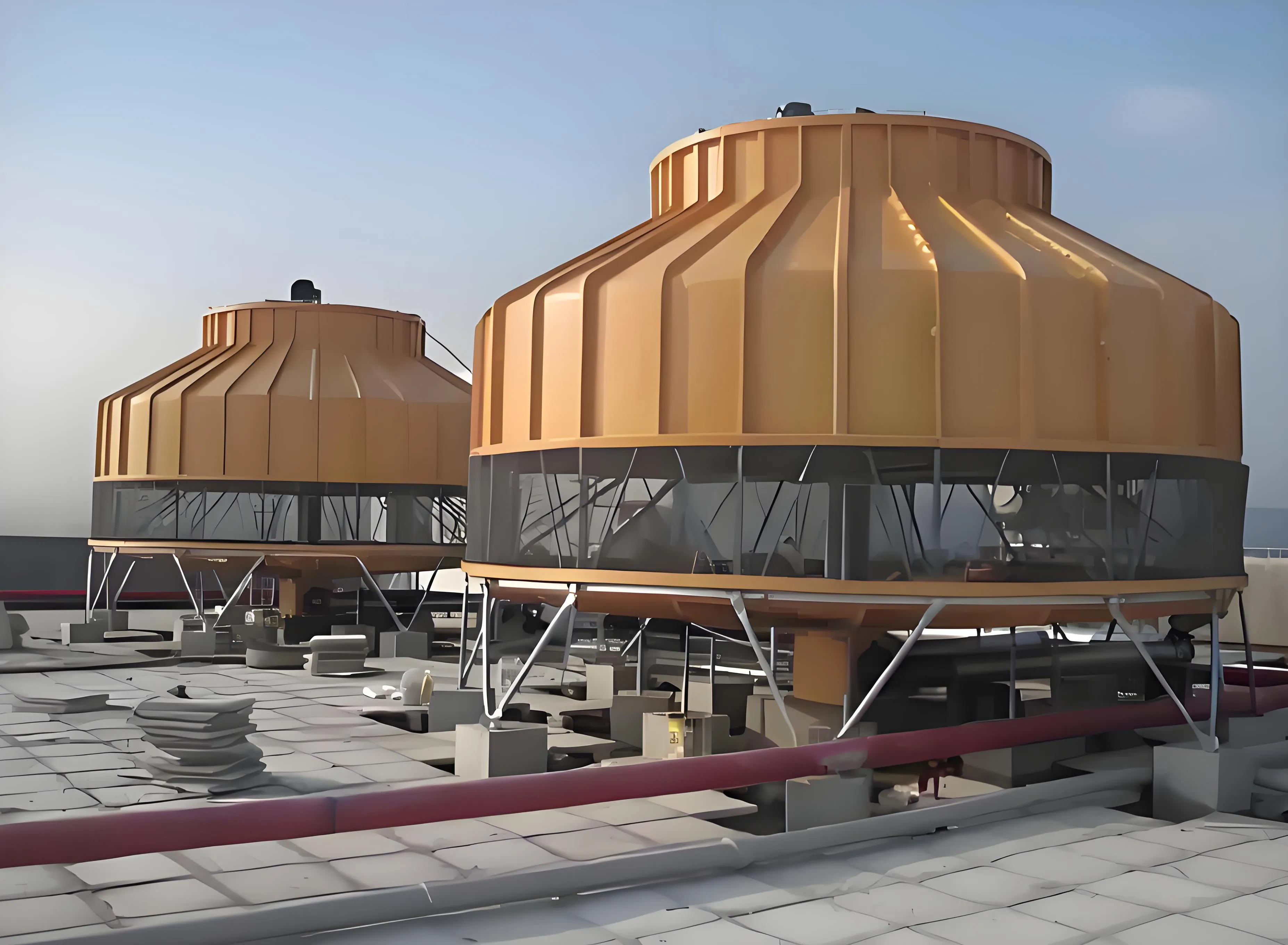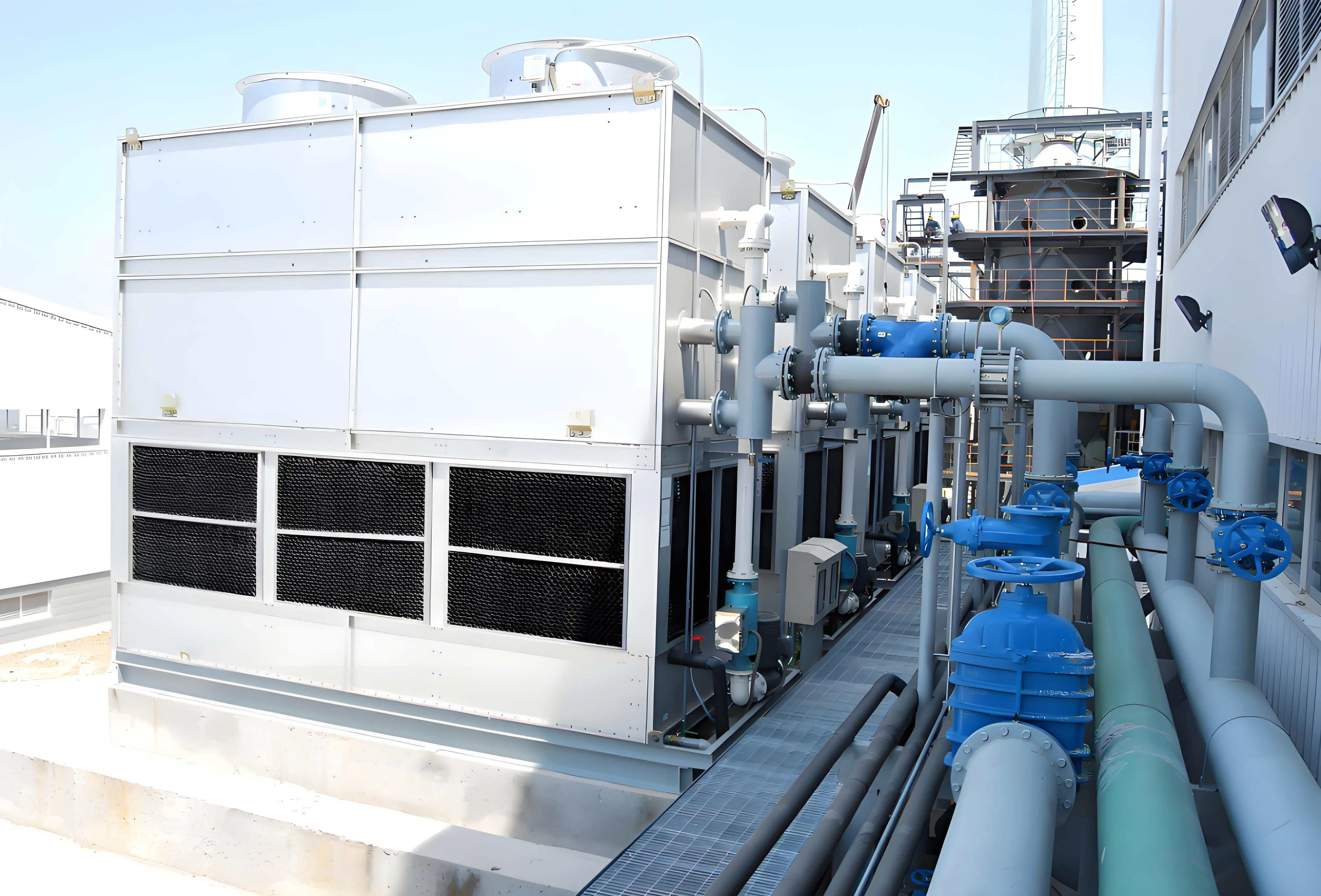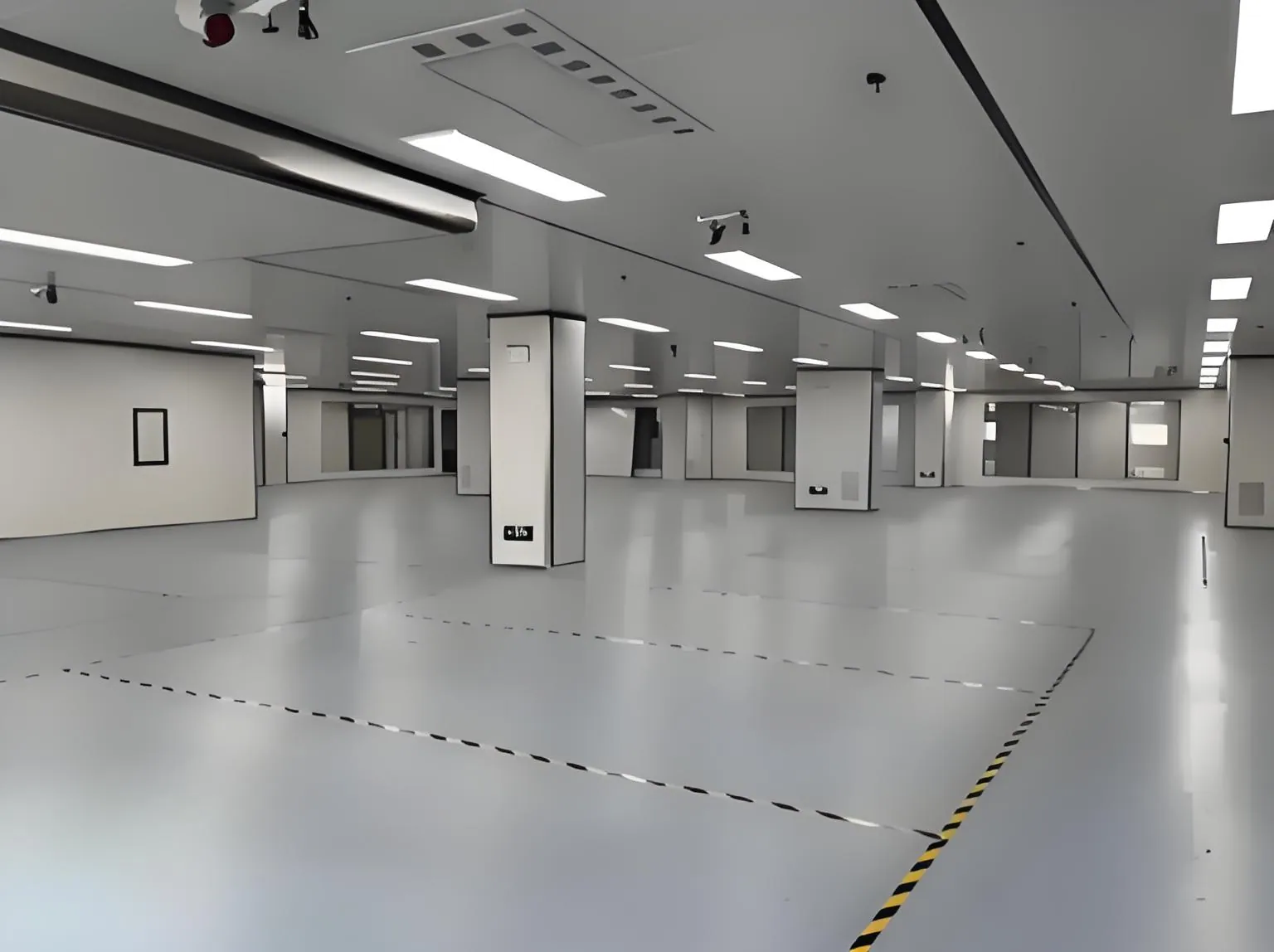

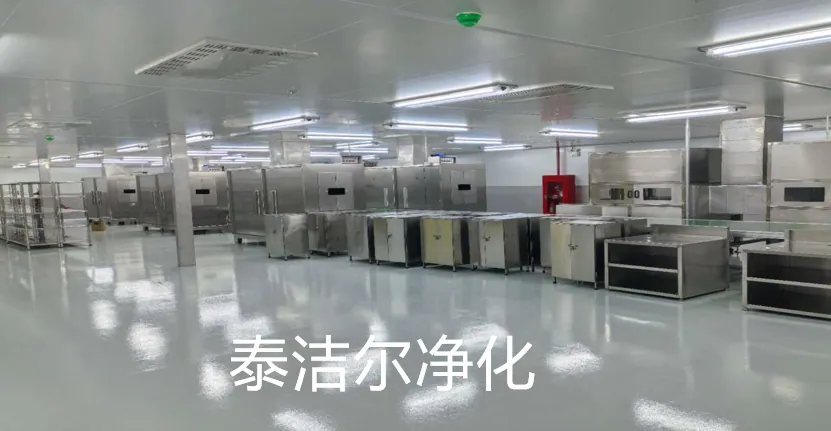
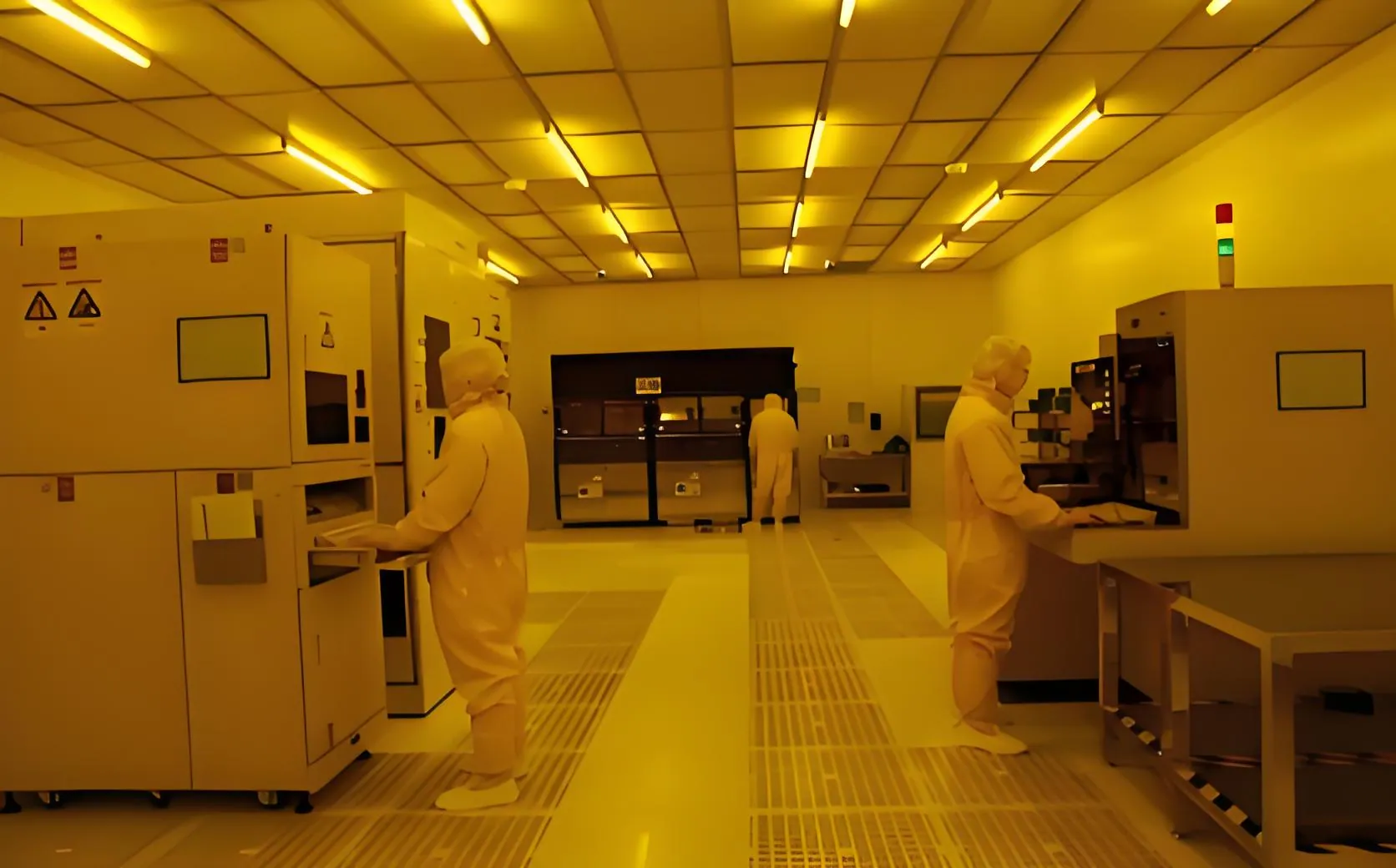
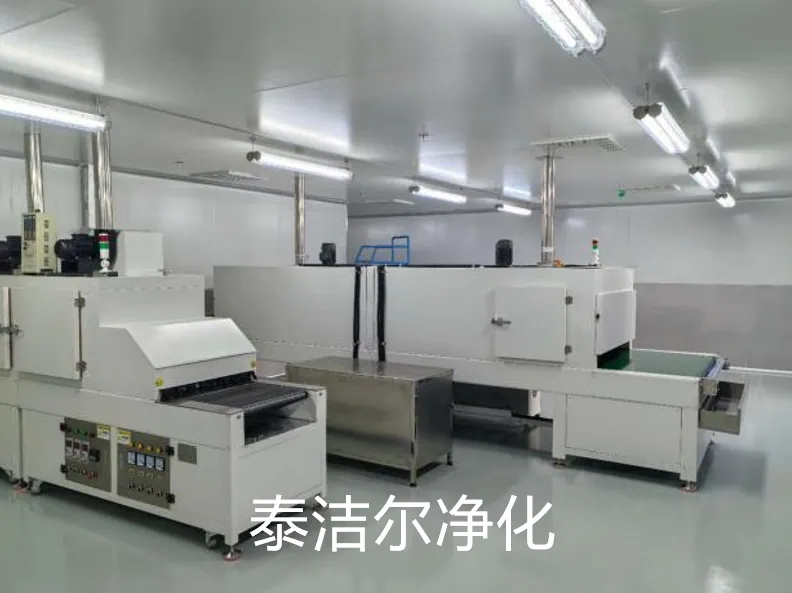
In modern research and industrial settings, maintaining a controlled environment is critical. A laboratory purification project focuses on creating cleanrooms that meet strict standards for air quality, temperature, and contamination control. This process ensures safe and reliable operations in fields like pharmaceuticals, biotechnology, and electronics. Proper planning and execution of a laboratory purification project can enhance efficiency and compliance. This guide covers key elements, best practices, and insights from industry experts like TAI JIE ER.
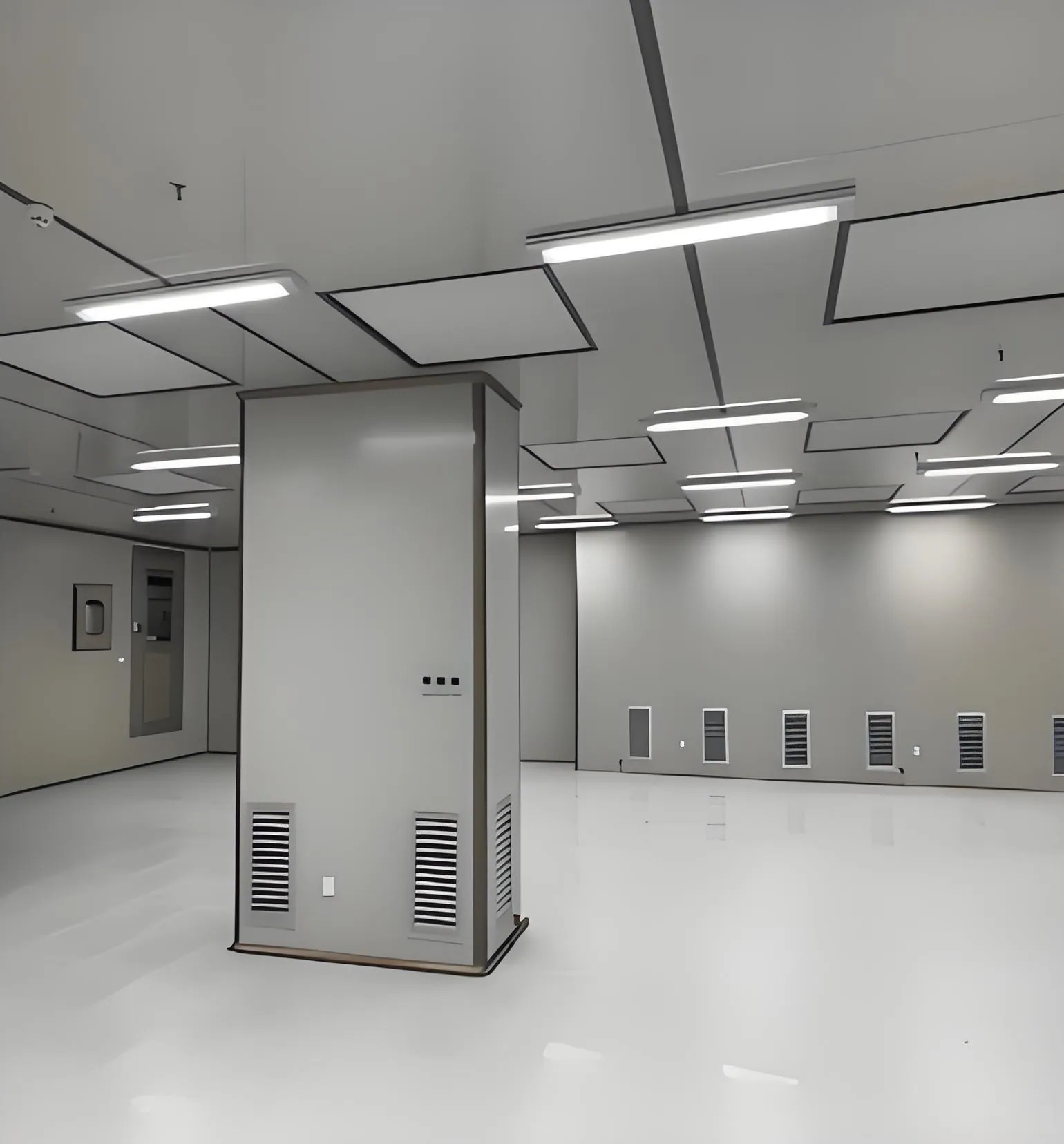
Key Components of a Laboratory Purification Project
A successful laboratory purification project involves multiple integrated systems. These components work together to achieve desired cleanliness levels. Each aspect must align with international standards to ensure effectiveness.
Design Standards and Regulations
Cleanroom design follows guidelines from organizations like ISO and FDA. These standards define air purity classes and operational protocols. A laboratory purification project must adhere to these rules to avoid penalties and ensure safety.
Common standards include ISO 14644 for air cleanliness and GMP for pharmaceutical applications. Compliance requires detailed documentation and regular audits. TAI JIE ER helps clients navigate these regulations with tailored solutions.
Air Filtration Systems
Air handling is a core part of any laboratory purification project. High-efficiency particulate air (HEPA) filters are often used to remove contaminants. These systems control airflow patterns to minimize particle accumulation.
Key considerations for filtration include:
Filter efficiency ratings and maintenance schedules.
Air change rates to sustain cleanliness levels.
Integration with HVAC systems for temperature and humidity control.
Proper installation ensures consistent performance in a laboratory purification project.
Planning and Implementation of Laboratory Purification Projects
Effective planning is essential for a smooth laboratory purification project. This phase involves assessment, design, and validation to meet client needs. Collaboration with experts like TAI JIE ER can streamline the process.
Initial Assessment and Design
The first step in a laboratory purification project is evaluating site requirements. This includes analyzing space layout, intended use, and risk factors. Design plans should address airflow, material selection, and equipment placement.
Factors to consider during design:
Budget constraints and timeline for completion.
Scalability for future expansions or modifications.
Energy efficiency to reduce operational costs.
A well-structured design phase sets the foundation for a successful laboratory purification project.
Installation and Validation
Installation involves constructing cleanroom structures and installing systems. Skilled technicians ensure that components like filters and sensors are correctly placed. After installation, validation tests verify that the laboratory purification project meets specifications.
Validation typically includes:
Particle count measurements to check air cleanliness.
Pressure differential tests to confirm containment.
Operational trials to assess functionality under real conditions.
TAI JIE ER provides comprehensive validation services to guarantee reliability.
Benefits of a Well-Executed Laboratory Purification Project
Investing in a laboratory purification project offers numerous advantages. These benefits extend beyond compliance to impact overall productivity and safety. Organizations can achieve long-term savings and improved outcomes.
Enhanced Safety and Compliance
A properly implemented laboratory purification project reduces contamination risks. This protects personnel and products from harmful particles. Compliance with regulations avoids legal issues and fosters trust with stakeholders.
Safety features often include:
Emergency shutdown systems for quick response.
Monitoring tools for real-time air quality checks.
Training programs for staff on cleanroom protocols.
These measures ensure that the laboratory purification project supports a secure work environment.
Improved Research Outcomes
Cleanrooms enable precise experiments and manufacturing processes. A laboratory purification project minimizes variables like dust or microbes, leading to more accurate results. This is vital in sensitive fields such as genetics or nanotech.
Outcomes can include:
Higher product yields and reduced waste.
Better data integrity for research publications.
Faster project timelines due to fewer disruptions.
TAI JIE ER's expertise helps clients optimize their laboratory purification project for maximum impact.
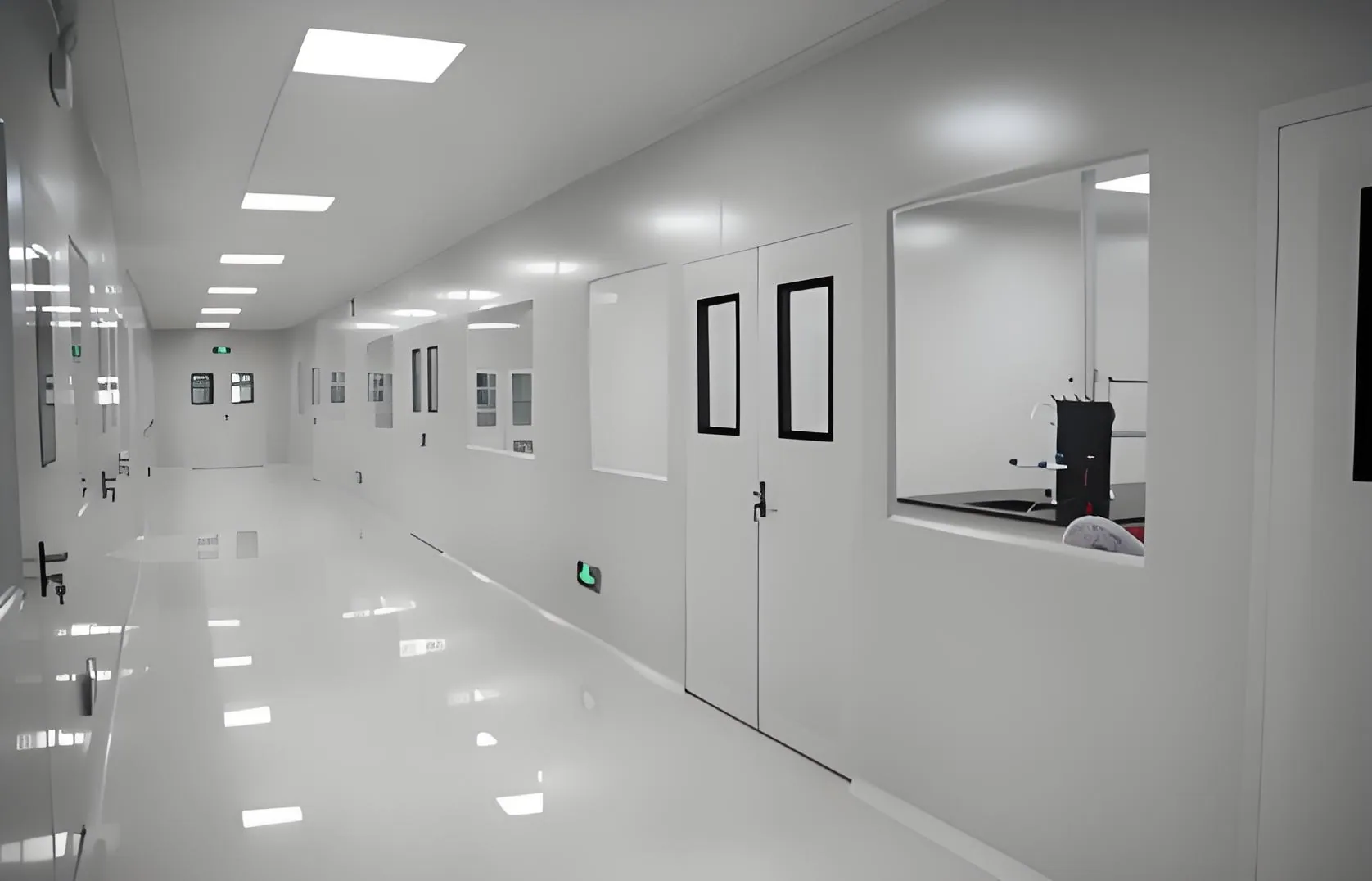
Case Study: TAI JIE ER's Expertise in Laboratory Purification Projects
TAI JIE ER is a recognized leader in cleanroom engineering. Their approach to a laboratory purification project combines innovation with practical solutions. This section highlights their methods and success stories.
Successful Project Examples
TAI JIE ER has completed numerous laboratory purification projects worldwide. For instance, they designed a cleanroom for a pharmaceutical company requiring ISO Class 5 standards. The project involved custom air filtration and validation services.
Key achievements from TAI JIE ER's projects:
Reduced energy consumption by 20% through efficient system design.
Achieved zero non-compliance issues during regulatory audits.
Shortened installation time by using modular cleanroom components.
These examples show how a laboratory purification project can be executed effectively with professional support.
Maintenance and Sustainability in Laboratory Purification Projects
Long-term success of a laboratory purification project depends on regular maintenance. Sustainable practices also play a role in reducing environmental impact. This section covers strategies for upkeep and eco-friendly options.
Routine Maintenance Protocols
Maintenance ensures that cleanroom systems operate optimally. Scheduled checks include filter replacements, sensor calibrations, and cleaning procedures. A laboratory purification project should include a maintenance plan from the start.
Common maintenance tasks:
Monthly inspections of HEPA filters for leaks or damage.
Quarterly reviews of airflow and pressure data.
Annual audits to update compliance documentation.
TAI JIE ER offers maintenance packages to support clients after project completion.
Sustainable Design Considerations
Modern laboratory purification projects often incorporate green technologies. This includes energy-efficient lighting, recyclable materials, and water-saving systems. Sustainability can lower costs and enhance corporate reputation.
Examples of sustainable features:
Solar panels to power cleanroom operations.
Heat recovery systems from HVAC units.
Use of low-VOC materials for construction.
Integrating these elements into a laboratory purification project aligns with global environmental goals
A laboratory purification project is a complex but rewarding endeavor. It requires careful planning, adherence to standards, and ongoing maintenance. By focusing on design, implementation, and benefits, organizations can achieve safe and efficient cleanrooms. Partnering with experts like TAI JIE ER ensures that every aspect of the laboratory purification project meets high-quality benchmarks. Ultimately, such projects support innovation and safety in critical industries.
Frequently Asked Questions (FAQ)
Q1: What is a laboratory purification project?
A1: A laboratory purification project involves designing and building cleanrooms to control contamination. It includes systems for air filtration, temperature regulation, and particle monitoring to meet specific standards.
Q2: Why is air filtration important in a laboratory purification project?
A2: Air filtration removes harmful particles from the environment. This ensures clean air for sensitive processes, preventing contamination and maintaining compliance with safety regulations.
Q3: How long does it take to complete a laboratory purification project?
A3: The timeline varies based on size and complexity. Small projects may take a few weeks, while large-scale installations can require several months. Planning with a company like TAI JIE ER can help optimize schedules.
Q4: What standards apply to a laboratory purification project?
A4: Common standards include ISO 14644 for cleanliness classes and GMP for pharmaceutical applications. Local regulations may also apply, so it's best to consult experts for specific requirements.
Q5: How can TAI JIE ER assist with a laboratory purification project?
A5: TAI JIE ER provides end-to-end services, from initial design to validation and maintenance. Their expertise ensures that projects are efficient, compliant, and tailored to client needs.